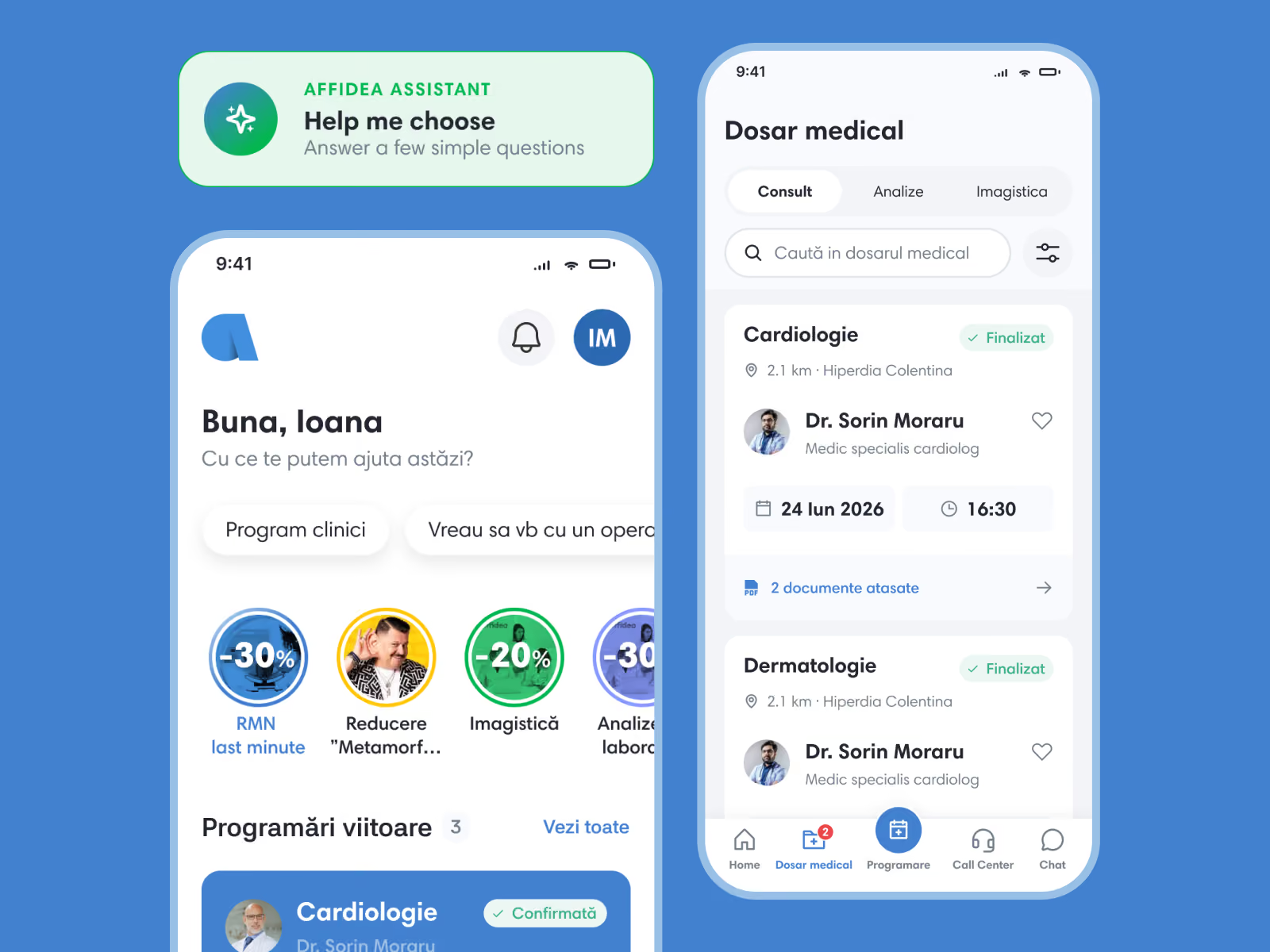
A content design system is the content counterpart to a visual design system: a shared set of rules, patterns, and ready-to-use language that keeps every word in a product consistent, from button labels and error messages to onboarding flows and empty states. It covers the voice and tone guidelines, the terminology a product uses (is it "sign in" or "log in," "cart" or "basket"?), the microcopy patterns for common moments, and the principles that tell writers, designers, and developers how to write for the interface. Where a traditional design system standardizes how a product looks, a content design system standardizes how it speaks, which is a big part of what users experience as UX writing and overall user experience.
Unlike traditional brand voice guidelines tailored for marketing campaigns, a content design system is crafted specifically for the product experience. While brand books might simply outline broad traits like being "warm and direct," a content design system defines how those principles manifest in functional touchpoints, such as payment errors, form validations, or dead-end states, offering practical examples, reusable patterns, and clear boundaries. It addresses the precise touchpoints where product consistency typically breaks down, ensuring that team members writing interface copy under tight deadlines don't have to rely on memory or consult broad brand documentation.
The business case comes down to clarity at scale. When several teams ship features in parallel, the language drifts the same way visuals do: one screen says "Submit," another says "Send," a third says "Confirm," and users start wondering whether those are three different actions. Small inconsistencies like that add friction, and friction shows up in support tickets, abandoned tasks, and lower conversion. A content design system removes that guesswork, so teams write faster, reviews get shorter, and the product sounds like one company instead of five squads.
It also changes how content gets made inside the organization. Writers, UX designers, and product managers work from the same source of truth, so content stops being the last-minute fix before launch and becomes part of the design process from the start. Localization gets easier too, since a consistent terminology base is far cheaper to translate and maintain across markets than a product full of one-off phrasings.
For enterprise companies in banking, telecom, or retail, where the wording of a single message can affect trust, compliance, and call center volume, a content design system is closer to infrastructure than polish. It's what lets large teams keep language clear, accurate, and consistent across hundreds of screens, without relying on the one person who happens to remember the rules.