
HR Summit @ Bucharest Tech Week: ce am auzit, ce credem noi și ce mai rămâne de făcut
Ce se întâmplă când UX se întâlnește cu HR? Am fost la HR Masters Summit, parte din Bucharest Tech Week, și am plecat de acolo cu concluzii clare, fără ocolișuri, despre adoptarea AI, despre încredere și despre ce încă nu funcționează în organizații.
Pe 17 iunie, am fost la HR Masters Summit, parte din Bucharest Tech Week 2026, un eveniment de nouă zile care aduce laolaltă profesioniști din tech, business și HR. Ediția din acest an a avut cinci scene specializate: Innovation, Future AI, HR Masters, Software Architecture și AI Coding, cu peste 50 de speakeri, din țară și din străinătate. HR Masters Summit a adunat profesioniști din People & Culture, HR manageri și lideri organizaționali, toți confruntați zilnic cu aceleași întrebări: cum angajezi altfel, cum ții oamenii aproape când totul se schimbă, și ce face, de fapt, AI-ul cu modul în care lucrează echipele.
La UXProject, lucrăm cu ultima întrebare de ceva vreme. Nu ca subiect de dezbatere, ci ca realitate zilnică, atât în proiectele de produs pe care le derulăm, cât și în programele de training AI pe care le-am construit pentru echipe. Poziția noastră e simplă: AI-ul nu înlocuiește judecata, o amplifică. Dar numai dacă știi ce anume judeci.
Ce am auzit la summit a confirmat un lucru: întrebarea e reală. Răspunsurile practice încă se conturează.
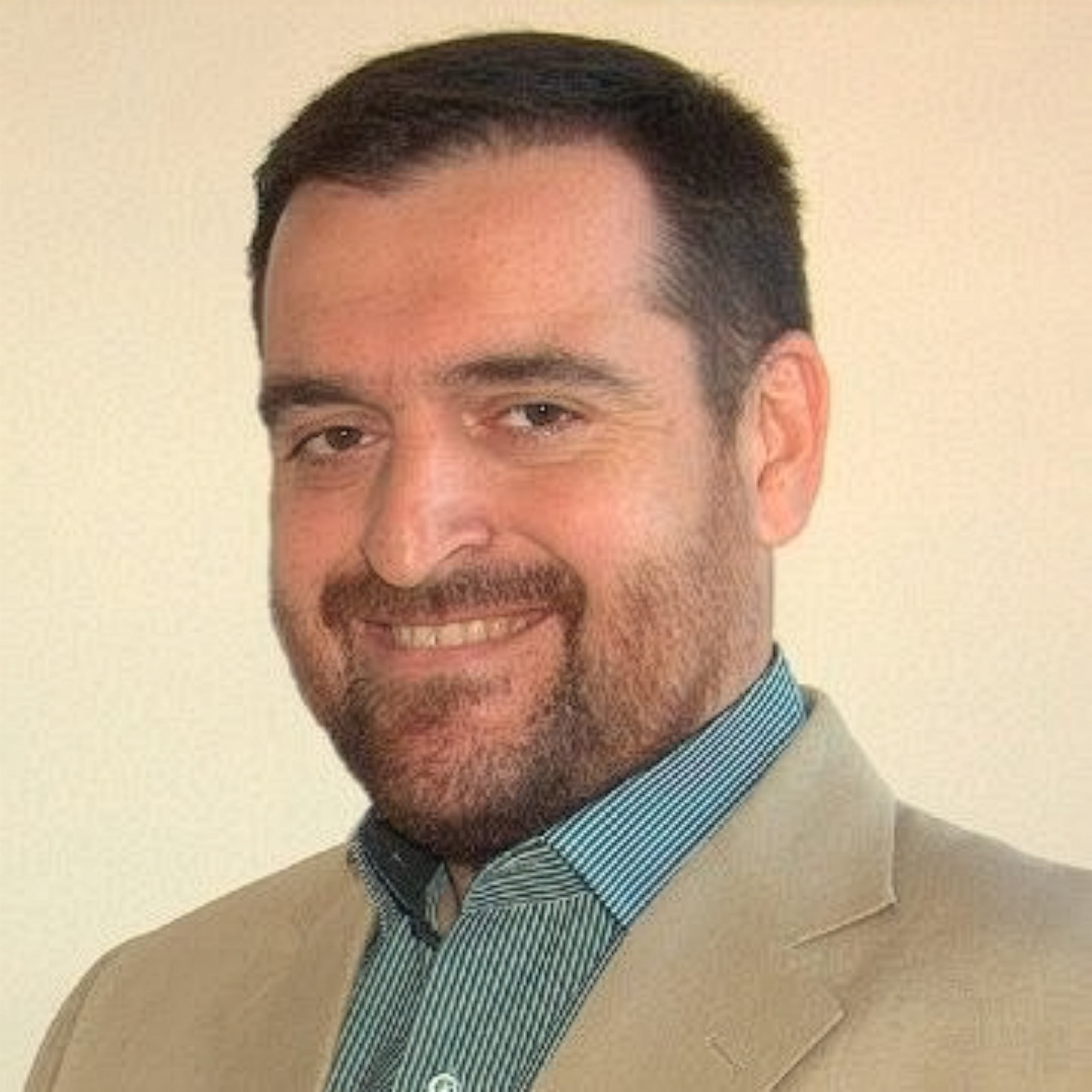
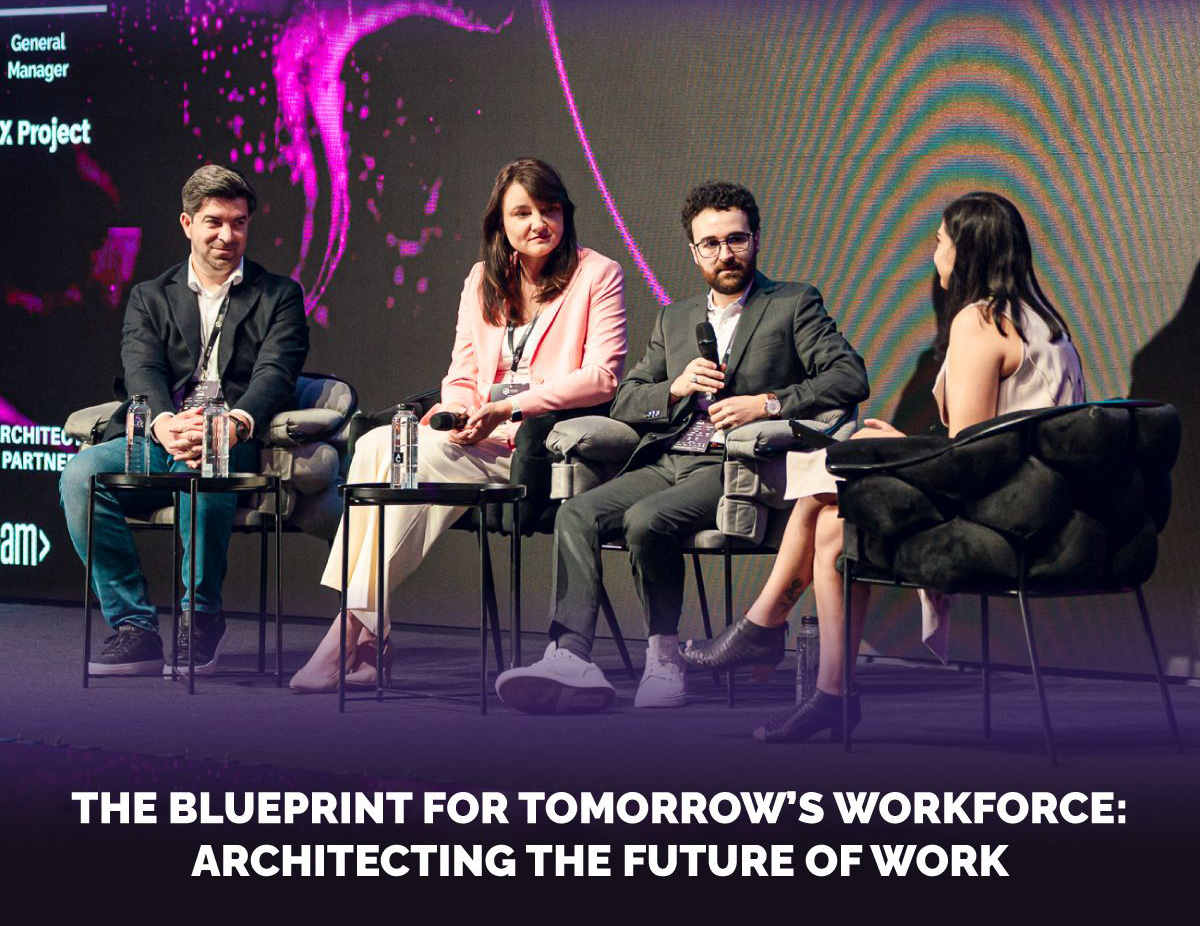
Andrei a participat la unul dintre panelurile zilei, alături de lideri și practicieni din HR. Iată ce a ieșit din discuție.
Ce se schimbă cu adevărat, și ce greșesc încă majoritatea organizațiilor
Una dintre primele întrebări ale moderatorului a dat tonul întregului panel: care e cea mai importantă schimbare care redefinește deja munca, azi, și ce anume înțeleg greșit organizațiile despre ea?
Cea mai vizibilă schimbare nu ține de unelte. Ține de locul unde s-a mutat blocajul.
Vedem asta clar la cele două tipuri de clienți cu care lucrăm. Antreprenorii de azi pot construi aproape orice și-au imaginat, AI-ul a eliminat majoritatea barierelor tehnice. Dar libertatea asta vine cu un cost:
"De obicei își pierd concentrarea. Ajung să suprasolicite tehnic ceva care trebuia să fie simplu. Uită ce construiau, de fapt, care era scopul acelui software."
Nu vin la noi ca să proiecteze ceva nou. Vin la noi ca să simplifice ceva ce a scăpat de sub control.
Organizațiile mari și medii spun o cu totul altă poveste. Majoritatea au adoptat deja AI-ul, într-o formă sau alta. Întrebarea nu mai e «ar trebui să-l folosim», ci cum construiești fluxuri de lucru care chiar se leagă de rezultatele de business. Aici contează să înțelegi experiența angajaților. Nu doar problemele vizibile, ci și pe cele ascunse:
"Ceva ce țin ascuns, undeva în spate. Știu că există, dar nimeni nu se atinge de ele."
O cifră care merită reținută: 85-95% dintre proiectele de AI și inovație eșuează din lipsă de date. Nu din lipsă de ambiție. Nu din lipsă de tehnologie. Din lipsă de date, o problemă pe care o poți rezolva de la început, dar numai dacă pui întrebările corecte înainte să construiești orice.
Despre încredere: partea pentru care nimeni nu vrea să încetinească
O altă întrebare a moderatorului a atins ceva ce se sare adesea, în graba de a adopta AI-ul: cum te asiguri că oamenii nu resping fluxurile de lucru bazate pe AI, sau nu devin atât de neîncrezători încât ajung să muncească suplimentar, doar ca să repare ce a greșit AI-ul?
«Sunt, în esență, un umanist. Nu lăsăm oamenii în urmă, e un mesaj care trebuie susținut activ, pus în fața tuturor, sprijinit prin acțiuni concrete legate de încredere, siguranță și training.»
Dacă oamenii care folosesc un nou flux de lucru bazat pe AI nu au încredere în el, îl vor ocoli, vor verifica de două ori tot ce produce, sau îl vor respinge tăcut. N-o să vezi asta în cifrele de adopție. O s-o vezi în calitatea rezultatelor, șase luni mai târziu.
Și mai există o dimensiune care e adesea sărită, în graba de a adopta.
"Companiile ar trebui să ia în calcul și aspectele legale, confidențialitatea, ideea de a introduce informații sensibile în tot felul de cutii negre. Nu e un subiect ușor. Pe mine, personal, mă interesează foarte mult latura socială a lucrurilor."
Încrederea se construiește prin transparență, prin training, prin implicare reală, nu printr-un anunț general și un document de politică nou.
Un loc practic de unde să începi
Pentru a încheia panelul, moderatorul a întrebat ce ar trebui organizațiile să facă diferit, de fapt: care e acel unic lucru esențial pentru cei care vor să devină arhitecți adevărați ai viitorului muncii, nu doar pasageri în el.
Răspunsul a fost mai simplu decât se aștepta majoritatea: mapează întâi parcursul. Fie că vorbim de parcursul clientului sau de cel al angajatului, el îți arată unde să te concentrezi, înainte să decizi ce anume automatizezi.
Ne imaginăm un scenariu "Ce-ar fi dacă"
"Ce-ar fi dacă am schimba complet procesul de onboarding? Ce-ar fi dacă am schimba complet partea de recrutare sau de interviu, am încerca cu AI, doar ca să vedem ce se întâmplă."
Nu-l implementa imediat. Rulează scenariul, vezi ce iese la iveală. E una dintre cele mai rapide metode de a găsi unde e, de fapt, oportunitatea reală și de unde va veni rezistența reală.
Discuția de la HR Masters Summit a confirmat ceva ce vedem în munca noastră zi de zi: majoritatea organizațiilor au trecut deja de întrebarea dacă să adopte AI-ul. Întrebarea mai grea, cum s-o faci într-un mod care chiar contează, în care poți avea încredere și care se leagă de rezultate reale, rămâne deschisă.
Exact la asta lucrăm la UXProject. Dacă echipa ta se confruntă cu aceleași întrebări, ne-ar face plăcere să vorbim!